Volume 25 Number 2
A Message from the Interim Executive Dean
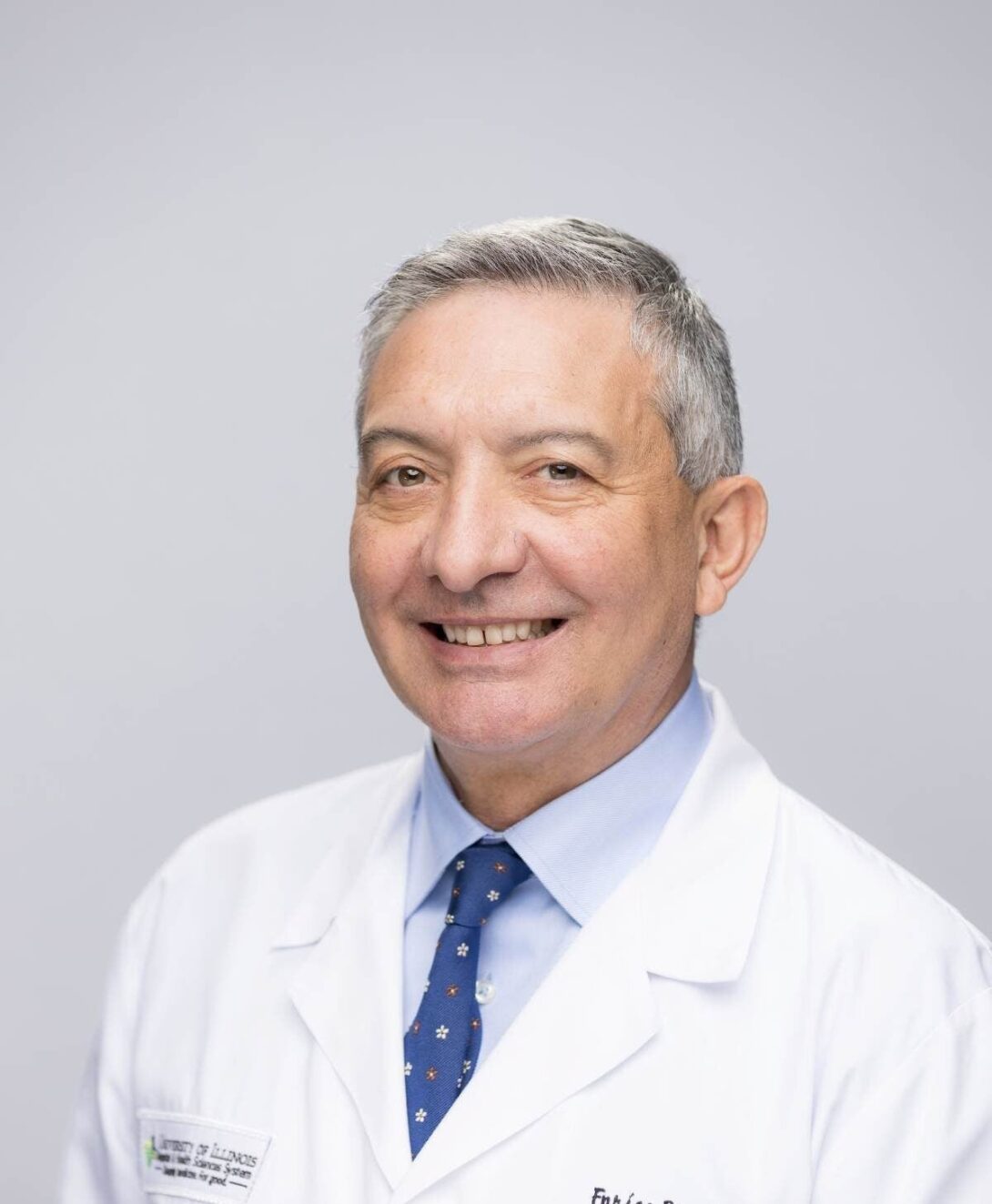
Interim G. Stephen Irwin Executive Dean
Women’s health is global health, and global health must root locally. At the University of Illinois College of Medicine, our commitment to women’s healthcare is made manifest by our leadership in this space. We are bridging critical gaps in research, redefining postnatal care with the introduction of the Two Generation Clinic, and continuing to develop a curriculum inclusive of menopause education.
This symbiosis of research, clinical application, and curricular integration is a unique and massive opportunity for our students and educators alike. Inspired research produces inspired physicians, and perpetually taking comprehensive strides to augment our understanding of healthcare for all starts with analysis of the individual elements contributing to the whole.
In this edition, we delve into the complex systems of aging, hormone imbalances, and socioeconomics. By developing alternative therapies to balance the microbiome in the gut, Dr. Beatriz Peñalver-Bernabé’s team is developing holistic solutions to perinatal and postnatal depression. Dr. Pauline Maki’s research into the relationship between biological sex, aging, and immunity has opened the door to a better understanding of Alzheimer’s disease—a condition that is estimated to impact 24 million people globally. This groundbreaking work underscores the need to further focus on women’s health as a transformative lens through which to view the future of healthcare among all genders and populations.
From a socioeconomic standpoint, developing healthcare models that are inclusive and representative of the populations they serve is rebuilding trust between providers and patients in historically underserved communities. The new Maternal Health Research Center of Excellence is doing critical work in epigenetics and studying health outcomes for postnatal women and families once discharged. Measured over time, these outcomes will help us develop new protocols to deliver higher standards of care.
Overcoming disparities in women’s healthcare is one of our largest social responsibilities—one that has an immense, tangible impact on all communities. This is deeply personal work for all members of the College of Medicine community, and I look forward to sharing our progress and seeing its real-world applications in line with the College’s mission, vision, and values.
I hope you enjoy this edition and I look forward to your continued engagement with your College of Medicine.
Sincerely,
Enrico Benedetti, MD, FACS
Interim G. Stephen Irwin Executive Dean